Tottenham Appoints Igor Tudor as New Head Coach, Sends Subtle Message to Thomas Frank
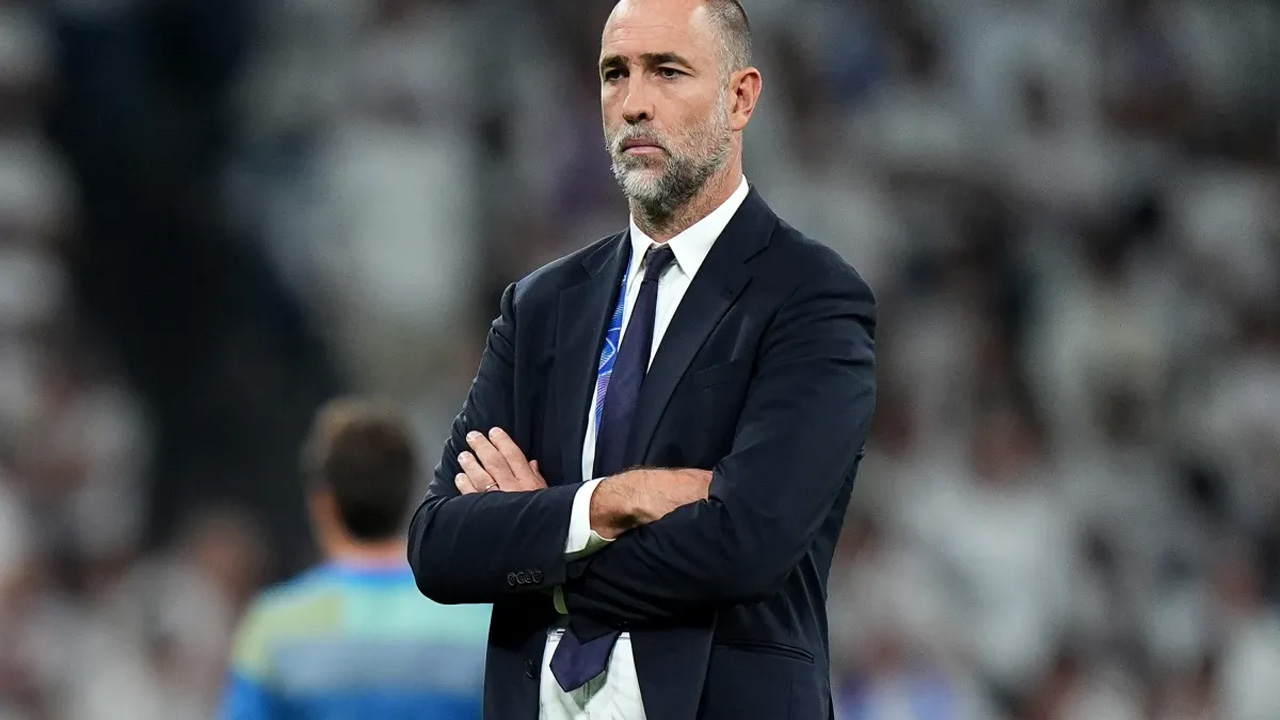
Bornheimer – Tottenham Hotspur have officially confirmed the appointment of Igor Tudor as their new head coach on Saturday night (14/2/2026). The club’s statement marked the beginning of a new chapter at North London, yet it also carried a subtle undertone aimed at former manager Thomas Frank. The timing of the announcement came just days after Frank’s dismissal, signaling urgency and a desire for immediate change.
The decision followed a disappointing 1-2 defeat against Newcastle United earlier this week, a result that ultimately sealed Frank’s fate. Spurs’ hierarchy moved swiftly, emphasizing stability and direction at a time when the club’s season appears to be slipping away. While the announcement focused on Tudor’s credentials and vision, the language used hinted at dissatisfaction with the previous regime.
For Tottenham supporters, the appointment represents both hope and pressure. With the team struggling near the bottom of the table, expectations are clear. The board wants improvement, and it wants it fast.
Thomas Frank’s Exit After a Disappointing Run
Thomas Frank’s tenure ended after a series of inconsistent performances that left Tottenham languishing in 16th place in the Premier League standings. For a club that consistently competed in the upper half of the table in recent seasons, this position feels alarming.
The defeat against Newcastle did not stand alone. It became the tipping point in a season filled with defensive lapses, lack of cohesion, and missed opportunities. Spurs showed flashes of quality but failed to maintain consistency. As a result, the board lost confidence in Frank’s ability to steer the team away from danger.
Currently sitting just above the relegation zone, Tottenham face genuine risk. The gap between them and the bottom three remains narrow. In a league as competitive as the Premier League, hesitation can prove costly. The club’s leadership acted decisively, signaling that survival and restoration of competitiveness remain top priorities.
Clear Mission for Igor Tudor at Tottenham
In its official statement, Tottenham outlined a straightforward mission for Igor Tudor. The message emphasized performance improvement, stronger results, and a climb up the Premier League table. The wording appeared deliberate and direct.
“Igor joins us with a clear focus – to improve performances, secure results, and move us up the Premier League table,” the club stated.
Also Read : UK High Court Rules Palestine Action Terror Ban Unlawful, Marking Blow to Government
Furthermore, the management stressed the need for organization, intensity, and competitiveness during this crucial stage of the season. Observers quickly interpreted those words as a subtle critique of the previous era. The emphasis on structure and intensity suggests that the board expects tactical discipline and renewed energy under Tudor’s leadership.
The club’s statement reflects urgency. Tottenham do not seek long-term experiments at this stage. Instead, they demand immediate impact and visible progress.
Igor Tudor’s European Pedigree
Igor Tudor arrives in North London with substantial European experience. As a former Juventus defender, he made nearly 175 appearances for the Italian giants during his playing career. His reputation as a disciplined and physically commanding presence on the pitch shaped his managerial philosophy.
In recent years, Tudor managed prominent European clubs, including Olympique de Marseille, Lazio, and Galatasaray. These roles exposed him to high-pressure environments and demanding fan bases. Consequently, he understands the expectations attached to clubs with strong traditions and ambitious targets.
His coaching style often emphasizes structured defending, aggressive pressing, and tactical flexibility. Spurs’ board clearly believes that his experience can stabilize a squad that has lacked consistency throughout the season. European exposure also equips him with adaptability, an essential trait in England’s fast-paced league.
Tudor’s First Statement as Spurs Manager
In his first official remarks, Tudor acknowledged the scale of the challenge ahead. He described joining Tottenham at this stage of the season as both an honor and a responsibility.
“It is a great honor to join this club at such an important moment,” Tudor stated. “I understand the responsibility entrusted to me, and my focus is clear: to bring greater consistency in performances and compete with confidence in every match.”
His comments reinforced the themes outlined in the club’s announcement. Tudor stressed belief, organization, and energy. He also pointed out that the current squad possesses significant quality. However, he emphasized the need for structure and renewed momentum to unlock that potential.
The tone of his statement balanced realism with determination. He did not promise miracles. Instead, he signaled disciplined work and collective effort as the pathway forward.
A Crucial Test: The North London Derby
Tudor’s first assignment could hardly be more demanding. Tottenham will face Arsenal in the North London Derby next weekend, with Mikel Arteta’s side currently competing near the top of the table. The timing raises the stakes dramatically.
A defeat in the derby could deepen Spurs’ crisis. Nottingham Forest, positioned close behind, may overtake Tottenham with a positive result in their upcoming fixture. Meanwhile, West Ham, currently 18th, could narrow the gap to just two points should Spurs fail to secure any points.
The derby therefore represents more than local rivalry. It carries significant implications for survival and morale. A victory would inject belief into the squad and supporters alike. Conversely, another setback could intensify pressure on the new manager.
Pressure, Expectations, and the Road Ahead
Tottenham’s appointment of Igor Tudor reflects a strategic gamble. The club seeks immediate stability while rebuilding competitive identity. With limited time left in the season, Tudor must quickly implement tactical discipline and restore confidence in the dressing room.
The coming weeks will test his leadership. Players must adapt rapidly to new systems and expectations. At the same time, supporters demand visible improvement. Every match now carries weight, particularly against direct rivals in the relegation battle.
Ultimately, Tudor’s mission centers on survival and restoration. If he succeeds in lifting Spurs away from danger, he could lay the foundation for a broader rebuilding project next season. However, failure to deliver swift progress would leave Tottenham facing uncomfortable questions.
For now, the message from the board stands clear: change has arrived, urgency defines the moment, and Igor Tudor holds the responsibility to guide Tottenham back toward stability and competitiveness.