FIFA World Cup Trophy Unveiled in Jakarta by Brazilian Legend Gilberto Silva
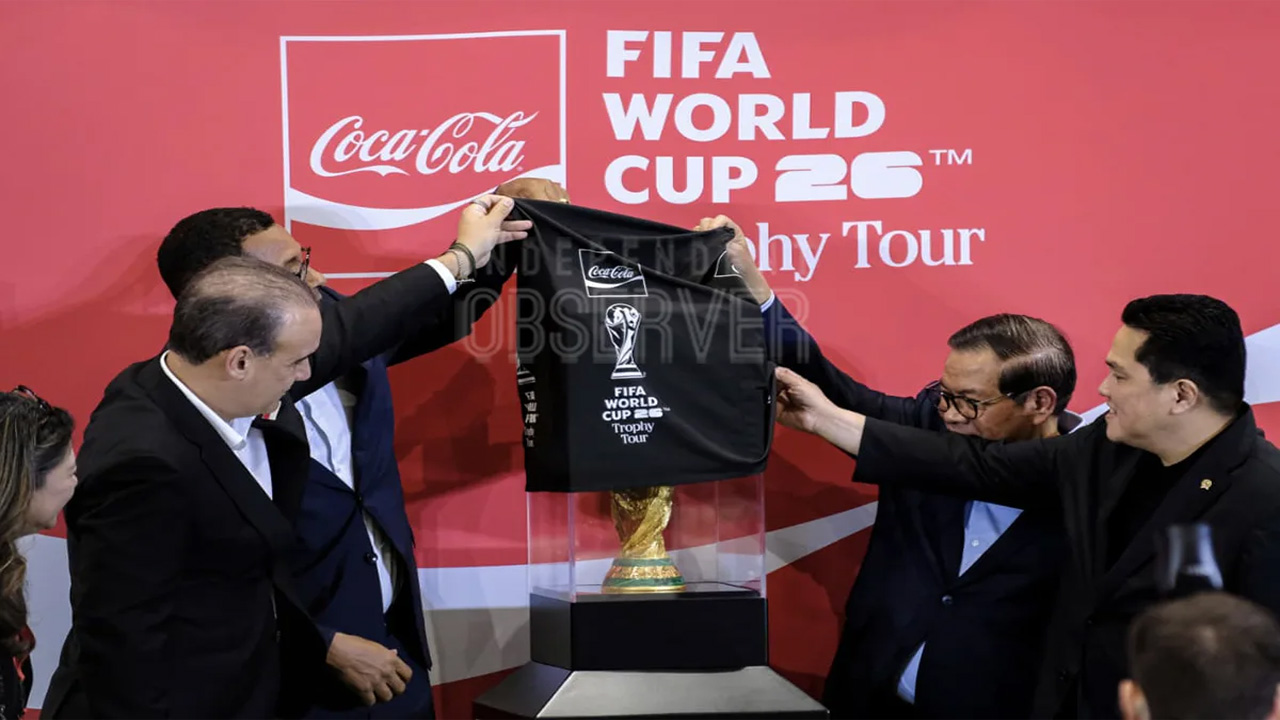
Bornheimer – On Thursday, January 22, 2026, Jakarta Convention Center (JCC) became the center of excitement as the FIFA World Cup Trophy was unveiled. This unique moment was part of the global Trophy Tour, offering Jakarta’s football fans the rare opportunity to see the coveted prize in person. The World Cup Trophy, typically seen only on television, was now standing proudly before the fans in Jakarta, creating a connection between the trophy and the local football community.
The Glory of the World Cup Trophy: A Symbol of Victory
The FIFA World Cup Trophy is not just an award; it’s the highest recognition in football. For millions of fans and players, the trophy represents the culmination of years of dedication, sacrifice, and dreams. As the symbol of football’s greatest achievement, the trophy’s arrival in Jakarta sparked a wave of excitement. Football fans from all walks of life gathered to witness the physical manifestation of their sporting dreams. After all, seeing the World Cup in person is a once-in-a-lifetime experience for most.
Gilberto Silva: The Face of the Trophy Tour in Jakarta
Gilberto Silva, one of Brazil’s most iconic footballers, played a key role in unveiling the trophy. Silva, a key player in Brazil’s 2002 World Cup-winning squad, shared his emotions about holding the trophy. “Winning the World Cup wasn’t just for us as players; it was for our families and for our country,” Silva remarked. His words resonated with the crowd, emphasizing that the trophy signifies far more than individual glory—it is about representing a nation’s pride and joy. His participation in the event added emotional depth to the experience.
Also Read : He Calls Me Sweetheart and Winks at Me But He’s Not My Boyfriend, He’s AI
Trophy Tour in Jakarta: A Celebration of Football
The Jakarta stop of the Trophy Tour was not simply about displaying the trophy. It was a celebration of the global game of football. The event brought together passionate football fans who had long dreamed of seeing the trophy up close. There was a palpable sense of unity and excitement as the iconic golden trophy was revealed. Jakarta’s atmosphere was filled with joy as the local community came together to share in this once-in-a-lifetime experience.
Key Figures and Guests at the Event: Political and Sporting Leadership
The event also saw the presence of several key figures, blending political and sporting leadership. Gubernur DKI Jakarta, Pramono Anung, attended, showing the importance of the occasion to the local government. Erick Thohir, the Minister of Youth and Sports and Chairman of PSSI, also graced the event with his presence. Their attendance underlined the significance of the World Cup Trophy’s visit to Jakarta. Alongside them, Ratu Tisha, Vice Chairman of PSSI, and Xavi Selga, CEO of Coca-Cola Indonesia, attended, representing the sport’s organizational and commercial aspects.
Coca-Cola’s Role in the World Cup Trophy Tour
Coca-Cola, a major sponsor of the World Cup, played a crucial role in the Trophy Tour. Xavi Selga, the CEO of Coca-Cola Indonesia, expressed his pride in being part of this historic journey. He highlighted Coca-Cola’s dedication to making the World Cup accessible to fans around the world. Through its sponsorship, Coca-Cola ensured that the World Cup Trophy could reach millions, creating an unforgettable experience for football lovers everywhere.
The Emotional Significance of the Trophy: Pride and Legacy
For Gilberto Silva, the World Cup Trophy is not just a symbol of a sporting victory; it is a testament to national pride. Silva spoke about how winning the trophy in 2002 wasn’t just a personal achievement—it was for the entire nation. “When we won, it wasn’t just for us as players but for the millions of people who supported us,” he said. His words struck a chord with the audience, highlighting how the trophy represents the dreams and hopes of an entire country. Over time, the significance of the World Cup has only grown, inspiring future generations.
Journey from Malaysia to Indonesia: A Global Football Journey
Before making its way to Jakarta, the World Cup Trophy visited Malaysia. The journey from Malaysia to Indonesia was part of the Trophy Tour’s mission to bring the World Cup to fans across Southeast Asia. The Jakarta stop was especially significant for Indonesian fans, as it offered them a rare opportunity to witness the glory of the World Cup firsthand. The journey also demonstrated the global reach of the tournament, with the trophy traveling far beyond the borders of Brazil and Europe.
Brazil’s Football Legacy: An Inspiration for Football Fans Worldwide
Brazil’s football legacy is one of the most celebrated in the world. As a key member of Brazil’s 2002 World Cup-winning team, Gilberto Silva is an integral part of that legacy. He spoke passionately about how the victory continues to inspire football fans around the globe. Brazil’s footballing culture has shaped the sport in ways that continue to resonate in every corner of the world. Silva’s reflections on his time with the national team reminded everyone of the lasting impact Brazil has had on global football.
The Role of the World Cup in Uniting Nations Through Football
Football is a universal language. The World Cup, and by extension the World Cup Trophy, brings people together like few other events can. No matter where you’re from, football has the power to unite fans from different cultures and backgrounds. The Trophy Tour reflects this power. As the World Cup Trophy travels across the globe, it reinforces the sport’s ability to bring nations together, transcending borders and languages in the process.
Behind the Scenes: Protecting the World Cup Trophy
Ensuring the World Cup Trophy’s safety is no easy task. The logistics involved in its worldwide tour are complex, with strict security measures in place to protect this iconic symbol. Security personnel, FIFA officials, and local organizers work tirelessly to ensure the trophy remains in perfect condition throughout its journey. Behind the scenes, the coordination required to bring the trophy safely to every destination is just as important as the event itself.
The Global Legacy of the World Cup: Beyond the Trophy
While the World Cup Trophy is undoubtedly an iconic symbol, its legacy goes far beyond the object itself. The victory stories, the memorable matches, and the iconic players all contribute to the World Cup’s enduring legacy. For millions, the World Cup represents a piece of their identity and their love for football. As the Trophy Tour continues, it helps reinforce the global legacy of the World Cup, bringing new generations of fans closer to the sport.
Future Trophy Tours: Continuing the World Cup’s Magic
The World Cup Trophy will continue to travel the world, inspiring fans in new cities. Every stop on the Trophy Tour is an opportunity for fans to connect with the sport in a deeper way. As the trophy moves through various countries, it brings new energy to the global football community. The legacy of the World Cup will continue to grow as the Trophy Tour spreads its magic to millions of fans.
The Weight of Responsibility: Gilberto Silva Reflects on the Trophy’s Significance
The World Cup Trophy may weigh just 6 kg, but its symbolic weight is far greater. For Silva, lifting the trophy in 2002 was not just about the victory—it was about representing Brazil and all the people who had supported the team. The responsibility of holding the World Cup is a lasting reminder of the pride that comes with such a prestigious achievement. The trophy represents not just personal success, but the collective joy of an entire nation.
A Legacy of Inspiration and Unity
The World Cup Trophy Tour in Jakarta was an unforgettable moment for football fans. Through the words and reflections of Gilberto Silva, the significance of the trophy came to life. The event underscored the importance of the World Cup as a symbol of national pride and global unity. As the trophy continues its journey, its legacy will continue to inspire and unite people around the world.