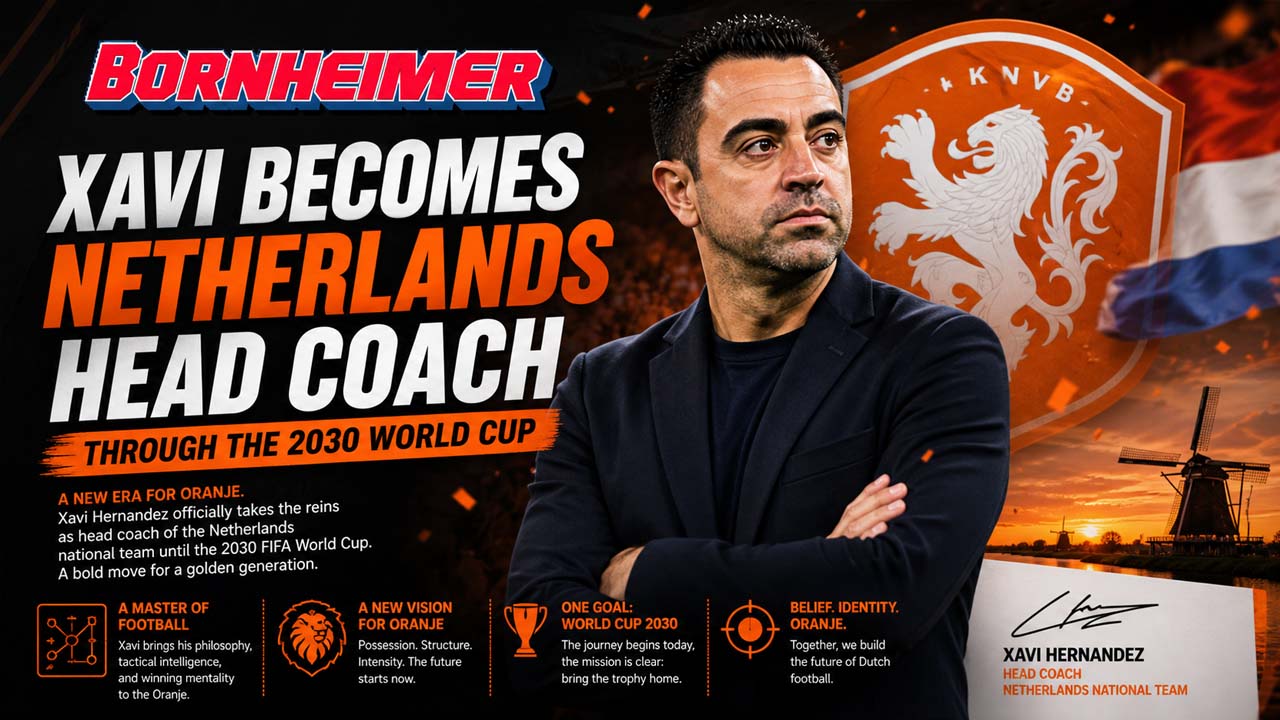
Ronaldo Explains Jorge Jesus Dispute and Keeps Portugal Door Open
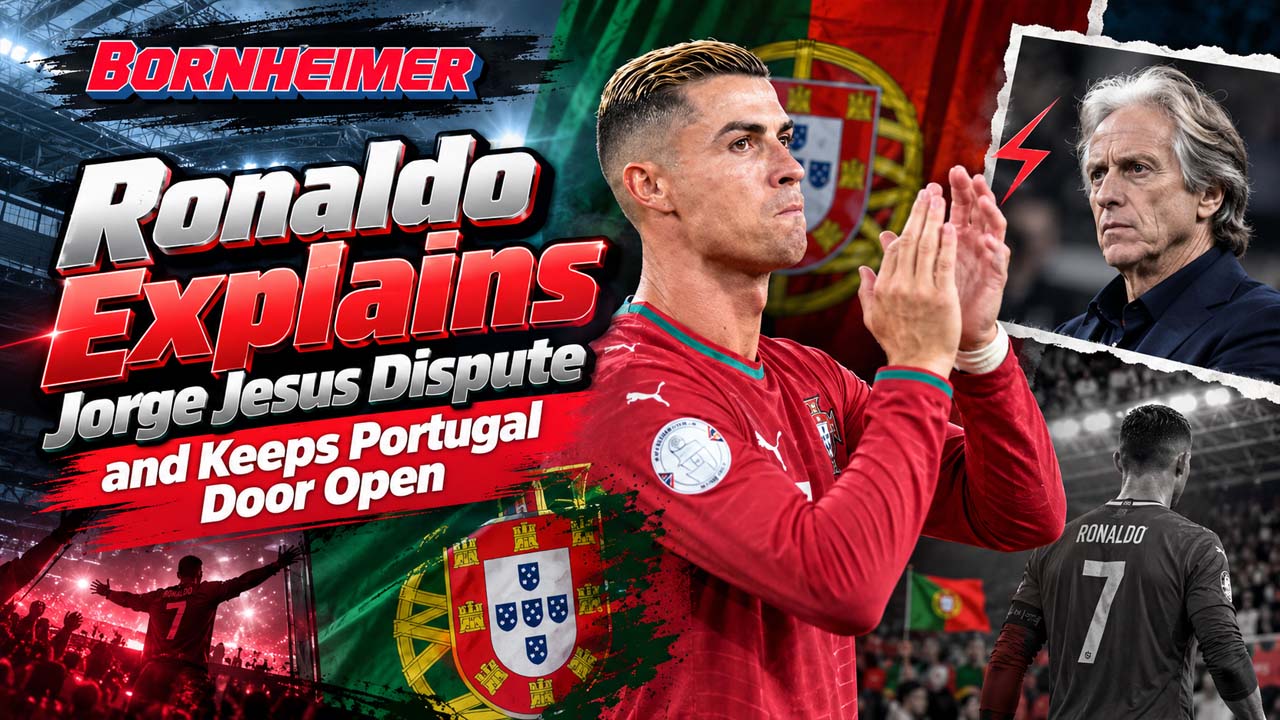
Bornheimer – Cristiano Ronaldo has explained his departure from Portugal’s training camp while making clear that his international career is not over. In a five-page letter shared publicly, the forward outlined his disagreement with Jorge Jesus and apologized to his teammates. His account centres on promises he believes the coach failed to keep. However, Ronaldo also accepted responsibility for his own response. That combination gives the statement two distinct messages: disappointment with the manager and continued commitment to Portugal. The dispute concerns trust, but his decision to leave also raises questions about accountability within the squad.
Norway Match Became the First Point of Friction
The disagreement followed Portugal’s 2–1 victory over Norway on September 27, when Ronaldo remained an unused substitute. According to the forward, his original programme focused on recovery and preparation for a later appearance. He said he had accepted that arrangement without demanding to play against Norway. Consequently, his explanation challenges the idea that frustration over being benched alone caused his departure. In his account, the problem emerged when the plan changed. This distinction matters because dissatisfaction with selection and disappointment over an alleged agreement are separate issues. Ronaldo presented the latter as the central reason for his reaction.
Ronaldo Says a Promised Appearance Never Happened
Ronaldo said Jesus unexpectedly asked whether he could play for 30 minutes against Norway. Although that appearance was outside his planned programme, he agreed to prepare. He then warmed up during the second half but never entered the match. From Ronaldo’s perspective, the unfulfilled appearance represented the first breach of trust. Nevertheless, a player’s account of a conversation does not settle every aspect of a disagreement. Jesus has denied making an agreement with Ronaldo. That difference should remain clear: the alleged promise is Ronaldo’s explanation, while the coach disputes that an agreement existed.
Public Comments Deepened the Disagreement
The second issue concerned what Jesus said publicly after private discussions. Ronaldo maintained that the coach’s press-conference remarks did not reflect their earlier conversation. He also objected to the tone, describing it as different from the approach Jesus had taken privately. According to Ronaldo, this mismatch deepened his sense that trust had broken down. From an editorial perspective, the episode highlights how communication can become as significant as a selection decision. However, that is an interpretation of the dispute, rather than proof of either account. The disagreement remains about what was discussed and what each person understood.
Also Read : New International Resort Opens the Door to Likupang’s Sea and Minahasa Culture
Leaving Camp Was a Mistake, Ronaldo Acknowledges
Despite criticizing Jesus, Ronaldo admitted that he should not have left Portugal’s camp. He apologized to his teammates and accepted responsibility for the decision. This acknowledgment is important because it separates his grievance from his conduct. Feeling disappointed does not remove the consequences of leaving a team environment. Ronaldo said he believed his continued presence would harm the group, but he nevertheless recognized that departure was the wrong response. As an analysis of his statement, this is its strongest expression of accountability. He sought to explain his actions without claiming that the explanation excused them.
Captaincy Makes Accountability More Significant
Ronaldo also apologized to the Portuguese public and asked the Portuguese Football Federation to assess his conduct without leniency. He argued that being captain made his responsibility greater, rather than giving him grounds for special treatment. However, his willingness to accept punishment should not be confused with confirmation of a disciplinary decision. His statement does not establish what sanction the federation will impose. From a leadership perspective, the distinction is meaningful. A captain influences the standards expected within a squad. Ronaldo’s acknowledgment places that responsibility alongside his criticism of the coach, rather than treating the two as mutually exclusive.
Portugal Return Remains Ronaldo’s Intention
Ronaldo said he remains willing to represent Portugal if he is physically fit, playing for his club, and scoring goals. He also expressed readiness to return after serving any punishment imposed on him. Therefore, his departure from camp should not be presented as an announcement of international retirement. Still, willingness to play does not guarantee selection. Fitness, disciplinary decisions, and the coach’s choices remain relevant to any return. The important point is that Ronaldo continues to describe international football as a competitive ambition. His statement leaves the possibility of another Portugal appearance open.
Farewell Plans Take Second Place to Competition
Ronaldo acknowledged discussion about a future farewell but said competing for Portugal remains his immediate priority. He referred to a deeply personal moment involving his father’s death to explain the significance of national-team duty. That recollection adds emotional context to his position, without resolving the disagreement with Jesus. Ultimately, the Cristiano Ronaldo Portugal dispute combines personal disappointment, leadership responsibility, and an unfinished sporting ambition. His statement offers an account of why he left, alongside an apology for doing so. What happens next depends on decisions beyond the letter. For now, Ronaldo has kept the door open to Portugal.