Tottenham Parts Ways with Igor Tudor After Just 44 Turbulent Days
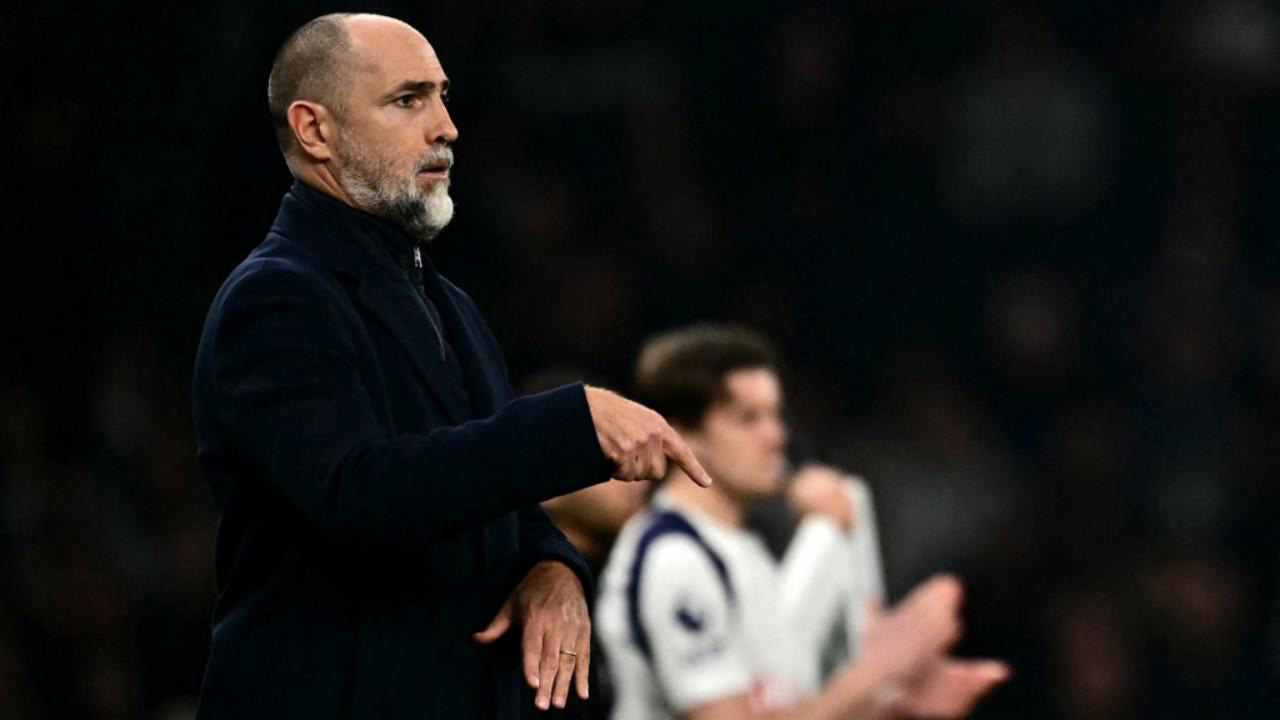
Bornheimer -Tottenham Hotspur’s decision to part ways with Igor Tudor has quickly become one of the most talked-about managerial shake-ups in the 2026 Premier League season. Appointed on February 13 with hopes of sparking an immediate turnaround, the Croatian manager lasted only 44 days, overseeing just seven matches before his tenure came to an abrupt end.
From the outset, Tudor’s arrival was framed as a decisive move by the club’s hierarchy to stabilize a struggling squad. However, expectations rapidly clashed with reality. Instead of a resurgence, Tottenham’s form continued to decline, leaving the club in an increasingly precarious position in the league standings.
The dismissal reflects more than just short-term disappointment. It highlights the intense pressure within elite football, where results are demanded instantly and patience is often in short supply. For Tottenham, the stakes were simply too high to allow the situation to deteriorate further.
Ultimately, the decision to terminate Tudor’s contract was driven by urgency rather than long-term planning. With the team hovering dangerously close to the relegation zone, the club opted for swift action in an attempt to salvage their season.
Unstoppable Poor Form Becomes the Main Trigger
The primary factor behind Tudor’s departure was Tottenham’s alarming run of form. In five Premier League matches under his leadership, Spurs managed to collect just one point, a statistic that underscores the severity of their struggles.
A 1-1 draw against Liverpool stood out as the only positive result during this period. However, that single point did little to mask the broader issues affecting the team. Tottenham appeared disjointed, lacking both defensive organization and attacking cohesion.
The challenges were not merely tactical but also psychological. Confidence within the squad seemed to erode with each passing game, and there were few signs of improvement. In modern football, such downward trends often lead to swift managerial consequences.
What made the situation even more critical was the absence of progress. Despite the expectation that a new manager would bring fresh ideas and renewed energy, Tottenham instead looked increasingly vulnerable, forcing the club into a difficult but necessary decision.
Also Read : The Dark Side of Fine Dining Is Becoming Impossible to Ignore
Heavy Defeat to Nottingham Forest Seals Tudor’s Fate
A crushing 0-3 defeat against Nottingham Forest proved to be the final straw for Tottenham’s management. Beyond the scoreline, the performance itself raised serious concerns, as Spurs struggled to compete against an opponent they were expected to challenge more effectively.
The loss pushed Tottenham down to 17th place, just one point above the relegation zone. For a club of Tottenham’s stature, such a position is both alarming and unacceptable, especially at this stage of the season.
This defeat also had a significant psychological impact. Players appeared increasingly uncertain, while frustration among supporters grew louder. In football, momentum plays a crucial role, and Tottenham found themselves trapped in a negative spiral.
Given these circumstances, the decision to part ways with Tudor became almost inevitable. The Nottingham Forest result served as a clear indication that immediate change was required to prevent further decline.
Disappointing Statistics Reflect a Short-Lived Tenure
From a statistical perspective, Igor Tudor’s time at Tottenham ranks among the least effective managerial spells in recent club history. Across seven matches in all competitions, the team failed to produce meaningful improvements in key performance areas.
Defensively, Tottenham showed significant कमज weaknesses, conceding goals through basic errors and poor positioning. The backline lacked coordination, often leaving gaps that opponents exploited with ease.
On the attacking side, the situation was equally concerning. The team struggled to create clear chances, and key players failed to deliver consistent performances. This imbalance between attack and defense further compounded Tottenham’s difficulties.
In modern football analysis, data plays a critical role in decision-making. The numbers during Tudor’s tenure painted a clear picture of decline, leaving the club with little choice but to act decisively.
Champions League Exit Adds Further Pressure
Tottenham’s struggles were not limited to domestic competition. Their elimination from the UEFA Champions League added another layer of disappointment to an already difficult period.
Spurs were knocked out in the Round of 16 after losing 5-7 on aggregate to Atletico Madrid. While the matches were competitive, Tottenham’s inability to capitalize on key moments ultimately proved costly.
Participation in the Champions League carries both sporting prestige and financial significance. An early exit not only affects the club’s reputation but also impacts revenue streams, making it a critical factor in evaluating overall performance.
This setback intensified scrutiny on Tudor’s leadership. Combined with poor league results, the European disappointment created a situation where maintaining the status quo was no longer viable.
Early Struggles Set the Tone for Failure
Tudor’s tenure began under difficult circumstances, but the early signs were particularly troubling. His first three matches in charge all ended in defeat, including losses to Arsenal, Fulham, and Crystal Palace.
Such a start made it difficult to build momentum or confidence within the squad. Instead of a fresh beginning, Tottenham found themselves continuing the same downward trajectory that had plagued them before Tudor’s arrival.
Early results often shape perceptions, both internally and externally. In this case, the lack of immediate improvement raised doubts about whether Tudor was the right fit for the club.
As the losses mounted, those doubts turned into serious concerns, ultimately contributing to the decision to bring his tenure to an early conclusion.
Swift Decision Aimed at Avoiding Relegation
Tottenham’s management acted quickly, prioritizing survival over stability. With only a handful of matches remaining, the club could not afford to gamble on a turnaround that showed no clear signs of happening.
The decision to part ways with Tudor was framed as a mutual agreement, reflecting a professional approach amid challenging circumstances. Alongside Tudor, members of his coaching staff also departed the club.
Such swift action highlights the urgency of Tottenham’s situation. Relegation would have severe consequences, both financially and competitively, making proactive measures essential.
Official Statement and Internal Club Situation
In their official statement, Tottenham emphasized that the decision was made in the best interest of the club. They also acknowledged Tudor’s efforts during a difficult period.
The club expressed support for the manager, noting that he was facing personal challenges. This gesture reflects a level of respect despite the professional separation.
At the same time, Tottenham confirmed that updates regarding a new head coach would be announced soon, signaling their intention to move forward quickly.
Bruno Saltor Steps in as Interim Coach
While the search for a permanent replacement continues, Bruno Saltor has been appointed to oversee training sessions on an interim basis. He will manage players not involved in international duty.
This temporary arrangement is designed to maintain stability while the club finalizes its next managerial appointment. Tottenham aims to have a new head coach in place before their upcoming match against Sunderland on April 12.
Roberto De Zerbi Emerges as Leading Candidate
Among the names linked to the position, Roberto De Zerbi has emerged as a प्रमुख candidate. Known for his tactical approach and attacking philosophy, he is seen as a potential long-term solution.
However, reports suggest that De Zerbi may prefer to wait until the الصيف (summer) before taking on a new role. This uncertainty complicates Tottenham’s search for immediate leadership.
Fan Reactions and Concerns Over Candidates
Not all supporters are convinced by the rumored candidates. Some Tottenham fans have expressed reservations about De Zerbi, particularly regarding his recent tenure at Marseille.
Fan sentiment plays a significant role in shaping the club’s direction, and management must balance long-term strategy with supporter expectations.
Risk of Multiple Managerial Changes in One Season
If Tottenham appoints a new permanent manager soon, it would mark their third head coach in a single season. Such instability can disrupt team cohesion and long-term planning.
A similar situation occurred during the 2022–2023 season, when managerial changes created uncertainty within the squad. Repeating that pattern could pose additional risks.
Relegation Threat Becomes a Harsh Reality
Perhaps the most pressing issue facing Tottenham is the very real threat of relegation. Sitting just above the drop zone, every remaining match carries enormous significance.
For a club accustomed to competing at the top level, this represents a dramatic سقوط (decline). Avoiding relegation has now become the primary objective.
Strategy for the Remaining Matches
Moving forward, Tottenham must focus on short-term solutions to secure crucial points. Defensive organization, mental resilience, and tactical clarity will be key factors.
The appointment of the right manager could provide the spark needed to reverse their fortunes, but time is running out.
Conclusion
Igor Tudor’s brief tenure at Tottenham underscores the unforgiving nature of modern football. In just 44 days, expectations turned into disappointment, leading to a swift managerial change.
With the club now fighting to avoid relegation, the coming weeks will be critical. Tottenham’s next decision could define not only their season but also their future trajectory.
FAQ
Why was Igor Tudor sacked by Tottenham?
He was dismissed due to poor performance, with the team earning only one point in five Premier League matches and falling close to the relegation zone.
How long did Igor Tudor manage Tottenham?
He managed the club for just 44 days, overseeing seven matches in total.
Who will replace Igor Tudor at Tottenham?
Bruno Saltor is currently acting as interim coach, while Roberto De Zerbi is among the rumored candidates.
What position is Tottenham in the league?
Tottenham dropped to 17th place, just one point above the relegation zone.
What is Tottenham’s main goal now?
The club’s immediate priority is to avoid relegation and stabilize performances in the remaining matches of the season.