Italy’s World Cup Crisis: Zola Urges Overhaul and Youth-Focused Rebuild
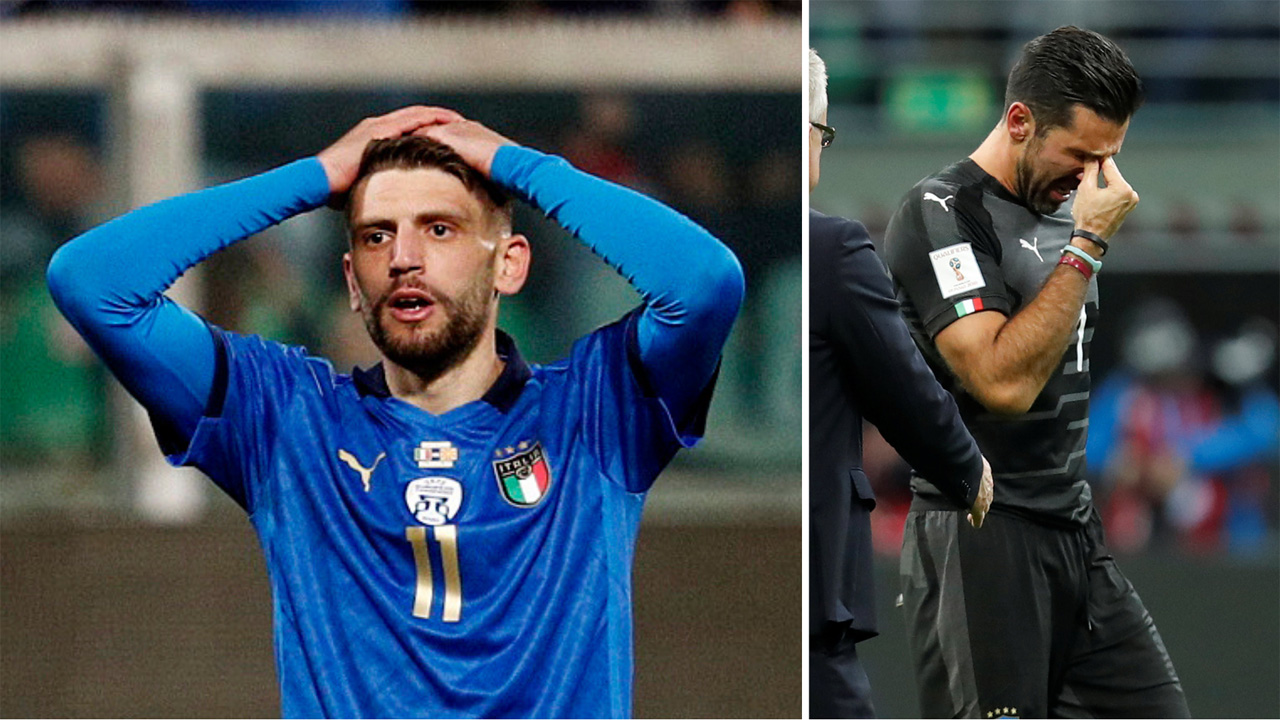
Bornheimer -Italy’s failure to qualify for the FIFA World Cup for the third time in a row has triggered widespread concern across the football world. This latest setback, sealed by a penalty shootout defeat to Bosnia on April 1, has deepened what many now describe as a systemic crisis within Italian football. While previous failures raised questions, this latest absence has shifted the conversation toward urgent structural reform. As a result, the spotlight is no longer on individual players or coaches, but rather on the foundations of the entire football system.
Former Italy international Gianfranco Zola did not hold back in his assessment. He described the situation as more than just a poor run of results. Instead, he framed it as a reflection of deeper issues that have been ignored for too long. According to Zola, Italy’s repeated absence from the global stage is a clear signal that something is fundamentally broken. Therefore, he argues that incremental changes will not be enough. What is needed, he insists, is a comprehensive overhaul that addresses the roots of the problem.
Zola Calls for Structural Reform in Italian Football
In response to Italy’s ongoing struggles, Zola has called for a complete transformation of the country’s football system. He believes that the issues extend far beyond tactical decisions or short-term management. Instead, they lie within the structure of player development and talent cultivation. For this reason, Zola emphasized that reform must begin at the grassroots level and extend all the way to the top tiers of the sport.
Moreover, he highlighted the need for collaboration among all stakeholders, including clubs, federations, and development academies. Without a unified approach, any attempt at reform would likely fall short. Zola also pointed out that the current system fails to provide young players with the necessary environment to grow and compete. Consequently, he urged authorities to rethink how talent is nurtured and integrated into professional football. In his view, rebuilding the system is not optional—it is essential for Italy’s future competitiveness.
Also Read : Article: US Gas Hits $4 as Trump Tells Other Nations to ‘Go Get Your Own Oil’
Youth Development as the Core of Italy’s Revival
A central theme in Zola’s argument is the importance of investing in young players. He believes that Italy’s revival depends on its ability to identify, develop, and trust emerging talent. While the country has a rich footballing history, Zola argues that relying on past success is no longer sufficient. Instead, Italy must focus on creating new opportunities for the next generation.
Furthermore, he stressed that young players need consistent playing time to develop their skills and confidence. However, many Italian clubs continue to prioritize experienced or foreign players, limiting opportunities for domestic youth. As a result, promising talents often struggle to transition from youth academies to senior teams. Zola insists that this trend must change. By giving young players more responsibility, Italy can rebuild a competitive and sustainable national team.
Limited Opportunities for Young Players at Club Level
One of the key issues highlighted by Zola is the lack of opportunities for young players in domestic leagues. Despite having a strong youth system on paper, Italy has struggled to translate that into success at the senior level. This gap, according to Zola, is one of the main reasons behind the national team’s decline. Without regular exposure to high-level competition, young players cannot reach their full potential.
In addition, Zola pointed out that many clubs are hesitant to take risks on inexperienced players. Instead, they often rely on established names to secure short-term results. While this approach may bring immediate benefits, it ultimately harms long-term development. Therefore, Zola advocates for a cultural shift within Italian football. Clubs must be willing to invest in youth, even if it means sacrificing short-term gains for future success.
The Crucial Role of Lower Leagues in Talent Development
As Vice President of Lega Pro, Zola emphasized the importance of lower divisions in nurturing young talent. He believes that these leagues play a vital role in bridging the gap between youth academies and top-tier football. In many cases, lower leagues provide the first real test for young players transitioning into professional environments. Consequently, strengthening these competitions is essential for the overall health of Italian football.
Moreover, Zola highlighted the need for better integration between clubs across different levels. By creating a more cohesive system, young players can progress more smoothly through the ranks. He also suggested that lower leagues should adopt a stronger focus on development rather than just competition. This approach would ensure that players gain valuable experience while continuing to refine their skills.
Beyond Talent: The Importance of Mentality and Discipline
While structural reform is crucial, Zola also emphasized the importance of player mentality. According to him, talent alone is not enough to succeed at the highest level. Instead, players must demonstrate discipline, commitment, and a strong work ethic. These qualities, he argued, are essential for long-term success in professional football.
In addition, Zola noted that modern football demands more than just technical ability. Players must be mentally resilient and adaptable to different challenges. Therefore, development programs should not only focus on physical and technical training but also on psychological preparation. By instilling the right mindset from an early age, Italy can produce players who are better equipped to compete internationally.
A Warning for the Future of Italian Football
Zola’s message carries a clear warning. If Italy fails to implement meaningful changes, the cycle of disappointment may continue. Missing three consecutive World Cups is already unprecedented for a nation with such a rich footballing tradition. However, without decisive action, the situation could worsen. This possibility has raised concerns among fans, analysts, and former players alike.
At the same time, Zola remains cautiously optimistic. He believes that Italy still has the resources and talent to recover. However, this recovery will require patience, vision, and collective effort. Quick fixes will not solve the underlying issues. Instead, long-term planning and consistent execution will be key to restoring Italy’s status as a football powerhouse.
Rebuilding Italy from the Ground Up
Italy’s recent failures have exposed deep flaws within its football system. Through his criticism, Gianfranco Zola has highlighted the urgent need for reform. From youth development to structural changes, every aspect of the system must be reevaluated. Only by addressing these issues can Italy hope to return to the global stage.
Ultimately, the path forward lies in rebuilding from the ground up. By investing in young players, strengthening lower leagues, and fostering the right mentality, Italy can create a more sustainable future. While the road ahead may be challenging, it also presents an opportunity for renewal. If the right steps are taken, Italy can once again become a dominant force in international football.