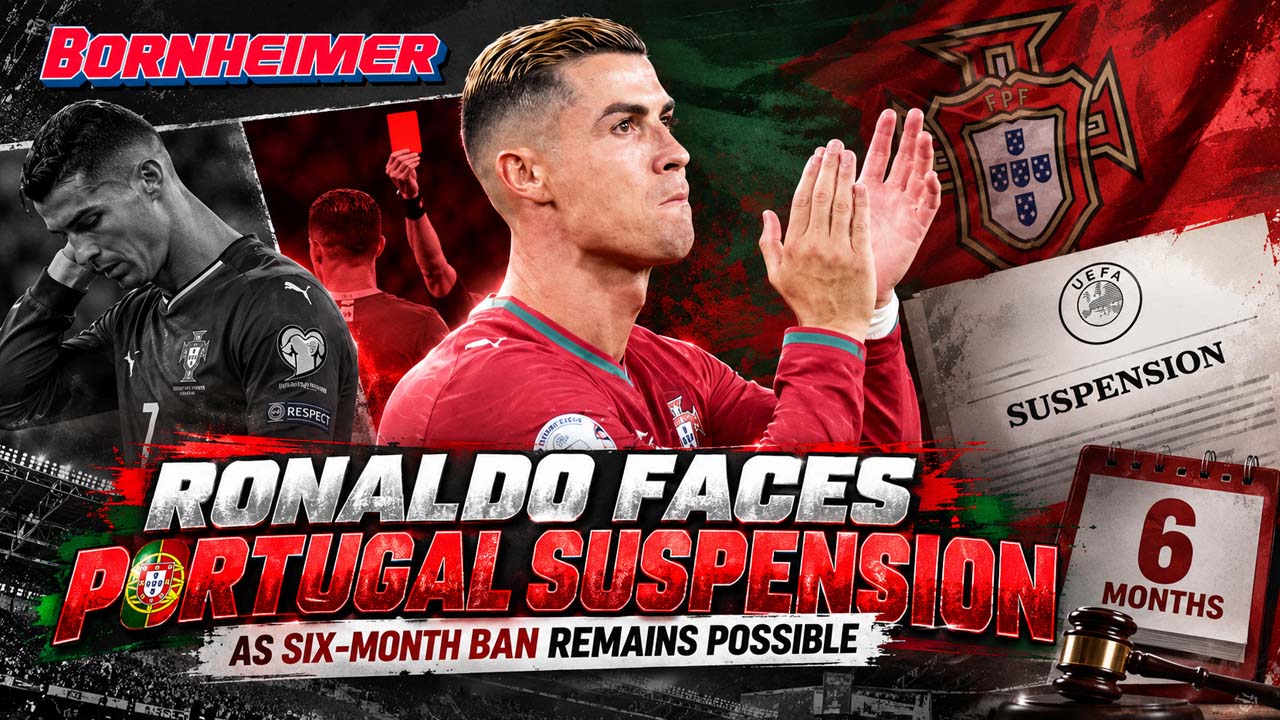
Ronaldo Faces Portugal Suspension as Six-Month Ban Remains Possible
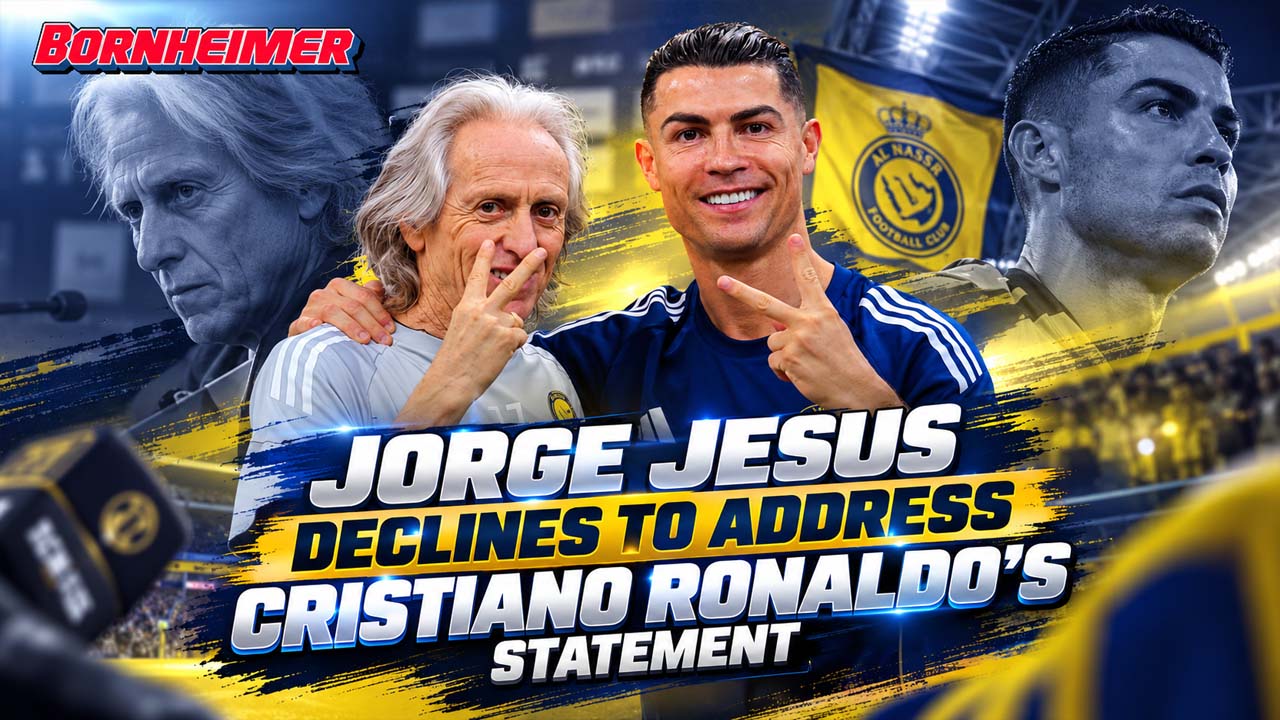
Bornheimer – Cristiano Ronaldo has been provisionally suspended after the Portuguese Football Federation opened disciplinary proceedings over his departure from the national team camp. The development follows his disagreement with head coach Jorge Jesus during Portugal’s recent international schedule. However, the temporary measure must be distinguished from a final punishment. The investigation is still ongoing, and no definitive six-month ban has been announced. For supporters, that distinction matters amid headlines surrounding the 41-year-old forward. His immediate international situation remains uncertain, but the disciplinary process has not settled his long-term future. The central question now concerns whether his departure breached federation rules and what consequences, if any, should follow.
Disagreement With Jorge Jesus Preceded the Walkout
The dispute developed after Ronaldo remained on the bench during Portugal’s match against Norway. According to the forward’s account, Jesus had asked him to prepare for an appearance but ultimately did not send him onto the pitch. Ronaldo viewed the episode as a broken agreement rather than simply disappointment over missing a game. However, his explanation represents his perspective on the disagreement. It does not independently establish every detail of the conversations between player and coach. The situation later escalated when Ronaldo left the squad before the Nations League fixture against Denmark. What began as a dispute about communication therefore became a wider issue involving team responsibilities and disciplinary procedures.
Ronaldo Apologised and Accepted Responsibility
Ronaldo subsequently apologised to his teammates and Portugal’s supporters for leaving the camp. He acknowledged that his decision was inappropriate, even while maintaining his criticism of the coach’s conduct. That admission adds an important distinction to the controversy. A player can feel disappointed by a conversation while still accepting responsibility for his response. Ronaldo also expressed willingness to face punishment from the federation. Nevertheless, accepting possible consequences does not determine the outcome of an investigation. The disciplinary authorities must assess the circumstances themselves. From a leadership perspective, the episode highlights how a captain’s actions can affect the wider squad. Personal frustration becomes a collective concern when it interrupts preparations for international competition.
Federation Investigation Remains Ongoing
The FPF’s disciplinary proceedings followed a decision by its Non-Professional Section on October 9, 2026. The case was subsequently referred to the federation’s Disciplinary Investigation Commission. Details of the inquiry will remain confidential until that stage concludes. Consequently, the public does not yet have a complete account of the evidence being examined. That limits how confidently anyone can predict the final decision. The temporary suspension signals that the matter is being handled formally, but it should not be treated as proof that the maximum penalty will follow. For Portugal, a clear resolution would help remove uncertainty surrounding future squad selections. For Ronaldo, it will establish the disciplinary consequences of his departure.
Also Read : Indonesia Becomes a Golden Week Favorite as Chinese Travelers Shift Their Choices
A Six-Month Ban Is Possible, Not Confirmed
The federation’s disciplinary regulations provide for a suspension of one to six months when a properly called-up player leaves or misses national team activities without justification. A financial penalty may also apply. However, the existence of that range does not mean Ronaldo will receive its maximum punishment. The investigation must first establish how the rule applies to his circumstances. Although he reportedly informed the federation of his departure, notification alone does not settle whether the reasons were acceptable. This is the crucial distinction behind the six-month headline. It describes a potential disciplinary outcome rather than an announced sentence. Until the authorities reach their decision, any specific prediction about the length of his punishment remains uncertain.
International Commitment Does Not Guarantee an Immediate Return
Despite the dispute, Ronaldo has indicated that he still wants to represent Portugal. His willingness to return separates the current controversy from a retirement announcement. However, commitment alone cannot guarantee another call-up. His availability will depend on the disciplinary outcome, fitness, and selection decisions. The relationship with the coaching staff also remains relevant to the team’s working environment. A successful return would require clarity about expectations on both sides. That includes communication over playing time and acceptance of the coach’s match decisions. For supporters hoping to see him back, the next meaningful development will be an official resolution. Speculation about a farewell match cannot replace confirmation of his international status.
Al Nassr Goal Takes Ronaldo to 980
While his Portugal situation remains unresolved, Ronaldo has returned to club action with Al Nassr. He scored the opening goal in a 3-0 victory over Diriyah in the Saudi Pro League. The finish followed a saved effort from Kingsley Coman, with Ronaldo reacting to convert the rebound from close range. Reports identified it as his 980th career goal, leaving him 20 short of the widely discussed 1,000-goal milestone. The moment offered a sporting contrast to the disciplinary headlines. On the pitch, his instinct for finding scoring opportunities remained evident. However, club performance and national team discipline are separate matters. Another goal strengthens his footballing record without resolving the circumstances surrounding his Portugal departure.
Portugal Awaits Clarity Before the Next Decision
The case now centres on the federation’s assessment rather than public exchanges between Ronaldo and Jesus. A final decision would clarify the player’s availability and help Portugal plan its next international commitments. Until then, the situation requires careful language: Ronaldo is provisionally suspended, while a longer ban remains a possibility. His apology and continued desire to play provide context, but neither replaces the disciplinary findings. Meanwhile, his performances for Al Nassr will continue alongside the investigation. The wider challenge for Portugal is maintaining a stable team environment through the uncertainty. Whatever the eventual outcome, clear communication between the federation, coaching staff, and player will matter when determining how the national team moves forward.