World Cup
asiannationalteam, behamputra, fifaseries2026, FootballAnalysis, FootballHighlights, footballmatch, FootballNews, footballperformance, footballtactics, footballupdate, garudateam, indonesiafootball, indonesianationalteam, indonesiavsstkitts, internationalfootball, johnherdman, matchreview, oleromeny, playerratings, socceranalysis
Bornheimer
0 Comments
Ole Romeny Shines as Indonesia’s Playmaker in Dominant Win Over St. Kitts and Nevis
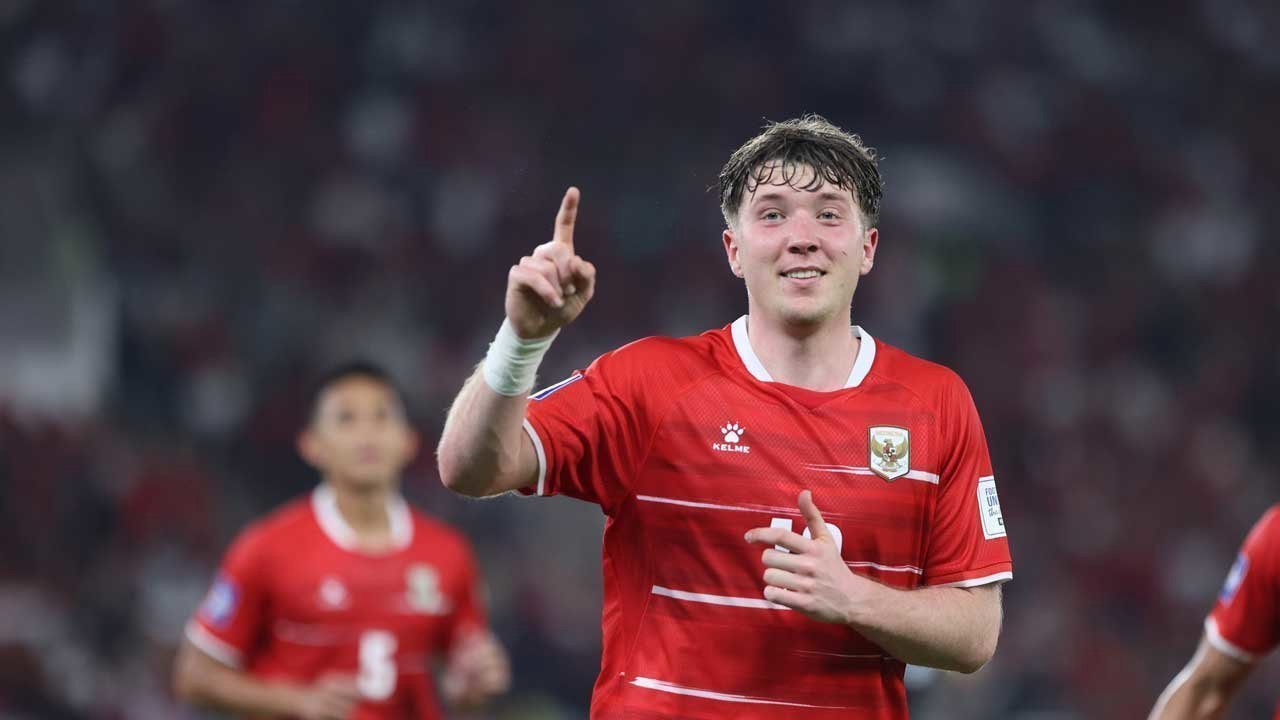
Bornheimer – Indonesia’s national team delivered a statement performance in the FIFA Series 2026 semifinal, securing a convincing 4-0 victory over St. Kitts and Nevis. The match, held at the iconic Gelora Bung Karno Stadium, marked a promising beginning to a new era under head coach John Herdman. From the opening whistle, Indonesia displayed a level of organization and composure that signaled clear tactical progress.
Notably, the team’s structure looked far more cohesive compared to previous outings. Passing sequences were sharper, transitions were smoother, and the overall tempo of play reflected a well-drilled system. This wasn’t just a win—it was a performance that highlighted a growing football identity. Beckham Putra led the scoring with a brace, while Ole Romeny and Mauro Zijlstra added their names to the scoresheet.
Match Overview at Gelora Bung Karno
The atmosphere at Gelora Bung Karno provided the perfect stage for Indonesia’s resurgence. The team controlled possession early on, dictating the rhythm of the game with confidence. As a result, St. Kitts and Nevis struggled to find any meaningful foothold throughout the match.
Indonesia’s attacking movements were fluid, with players constantly rotating positions to create space. This tactical fluidity allowed them to break down defensive lines with relative ease. Consequently, the goals came not just from individual brilliance but from well-executed team play.
Tactical Improvements and Team Cohesion
Under Herdman, Indonesia appears to be embracing a more modern football philosophy. The emphasis on collective play was evident, with every player contributing both offensively and defensively. In addition, the spacing between lines was well maintained, allowing for effective pressing and quick ball recovery.
This level of cohesion is often difficult to achieve in a short period, yet Indonesia managed to execute it impressively. The balance between structure and creativity became a defining feature of their performance.
Ole Romeny’s Standout Performance
Amid an overall strong team display, one name stood above the rest—Ole Romeny. His performance was nothing short of exceptional, earning him a perfect 10 rating, a rare achievement at the international level. Without a doubt, he was the heartbeat of Indonesia’s attacking play.
Also Read : WhatsApp’s Big Update: iPhone Gets Dual Accounts and AI-Powered Messaging
Romeny didn’t just contribute statistically; he dictated the flow of the game. Every attacking move seemed to pass through him, making him the central figure in Indonesia’s offensive system.
A Perfect Rating and Man of the Match Display
Receiving a perfect score is no small feat, especially in international football. However, Romeny’s performance justified the rating entirely. His decision-making, positioning, and execution were consistently at the highest level throughout the match.
He demonstrated composure under pressure and an ability to read the game ahead of others. Therefore, it’s no surprise that he was widely recognized as the standout player.
Key Contributions: Goal and Assists
Romeny’s numbers tell a compelling story—one goal and two assists. Both assists were delivered with precision, setting up Beckham Putra with perfectly weighted passes. The first assist came from a brilliant through ball, while the second showcased his vision and calm execution.
In addition to his playmaking duties, he also found the back of the net, completing a well-rounded performance. Ultimately, his contributions were decisive in shaping the outcome of the match.
Romeny’s Role as a Modern Playmaker
What made Romeny’s performance particularly impressive was his versatility. He wasn’t confined to a traditional winger role; instead, he operated as a modern playmaker, constantly influencing the game from multiple positions.
Positional Flexibility on the Field
Romeny frequently dropped into midfield to collect the ball and initiate attacks. Meanwhile, he also made forward runs to support the front line, creating numerical advantages in key areas.
This positional flexibility made him difficult to mark and allowed Indonesia to maintain attacking momentum. As a result, the opposition struggled to contain his influence.
Vision and Creativity in Attack
Perhaps his greatest strength lies in his vision. Romeny consistently identified passing lanes that others might overlook. His ability to deliver precise balls under pressure added a new dimension to Indonesia’s attack.
In fact, his creativity transformed the team’s offensive approach, making it more unpredictable and dynamic.
Attacking Brilliance That Changed the Game
Indonesia’s attacking success was largely driven by Romeny’s brilliance. His understanding of space and timing enabled the team to exploit defensive weaknesses effectively.
Breaking Down the Defensive Line
Romeny’s movement between the lines disrupted the opponent’s defensive structure. Consequently, gaps began to appear, allowing Indonesia to penetrate with ease.
His quick decision-making ensured that these opportunities were not wasted. Thus, he played a crucial role in maintaining attacking pressure.
Chemistry with Beckham Putra
The partnership between Romeny and Beckham Putra proved particularly effective. Their understanding on the pitch was evident in the build-up to multiple goals.
Not only that, their combination play added fluidity to Indonesia’s attack, making them a constant threat throughout the match.
Defensive Work Rate and Tactical Discipline
Romeny’s contribution wasn’t limited to attacking phases. He also played a vital role in Indonesia’s defensive setup.
High Pressing Strategy Execution
From the front, Romeny actively participated in pressing the opposition. Alongside Ramadhan Sananta, he formed the first line of defense.
As a result, St. Kitts and Nevis found it difficult to build from the back, often forced into errors.
Contribution in Defensive Phases
Statistically, Romeny recorded a tackle and an interception—figures that highlight his defensive involvement. More importantly, his work rate set the tone for the entire team.
He consistently tracked back to support midfield, ensuring balance between attack and defense. Ultimately, this completeness made his performance truly exceptional.